TIG welding
TIG welding of pipework and metal assemblies
TIG 141 for stainless steel, carbon steel, aluminium, copper and alloys. Preparation and fabrication conditions are matched to the material, the geometry and the requirements of the joint.

Process 141
Control of the joint begins with preparation
TIG welding uses a non-consumable tungsten electrode and an inert shielding gas. Whether the process is suitable is determined by the material and the requirements of the joint.
Cleanliness, edge preparation, root gap, tacking and welding sequence all affect the result. Heat input and distortion depend on the parameters and on execution; the name of the process is not in itself a guarantee of the properties of the joint.
For pipework, any requirement for root shielding is defined together with the documentation and the quotation.
Personal IWT qualification →
Types of work
Joints and items to your design
We confirm feasibility after reviewing the dimensions, the material and the access to the joint.
Pipes and branch connections
Butt joints, branch connections and pipe-to-flange joints to drawing.
Stainless steel components
Items and assemblies in stainless steel, with defined preparation and surface finish requirements.
Non-ferrous metals
Aluminium, copper and alloys. The exact material grade and the intended use are required.
Components prepared by the customer
Welding of supplied components, after the joint preparation has been checked.
Small batches
Repeat items to the same marks and an agreed scope.
Repair of welded joints
Assessed after inspecting the existing part, the material and the reason for the repair.
Frequently asked questions
Technical requirements for welding
For questions about a specific assembly, send a drawing or a description of the requirements.
Send a technical enquiry →What thicknesses and diameters do you accept?
The range depends on the material, the geometry and the access to the joint. Send a drawing with the diameter and wall thickness so that we can confirm feasibility.
What does inspection cover?
Joint preparation, dimensional checks during fabrication and visual inspection of the welds. If additional testing is required, the scope, the responsible person and the testing body are determined in advance.
Can root shielding be specified?
Yes. State the requirement with the drawing. Preparation, access to the reverse side and the conditions for root shielding are considered before the quotation is confirmed.
How do we arrange repeat items?
Send the part list, the quantities per batch and the expected schedule. We confirm whether subcontracting is possible on the basis of the documentation and available capacity.
Fabrication details
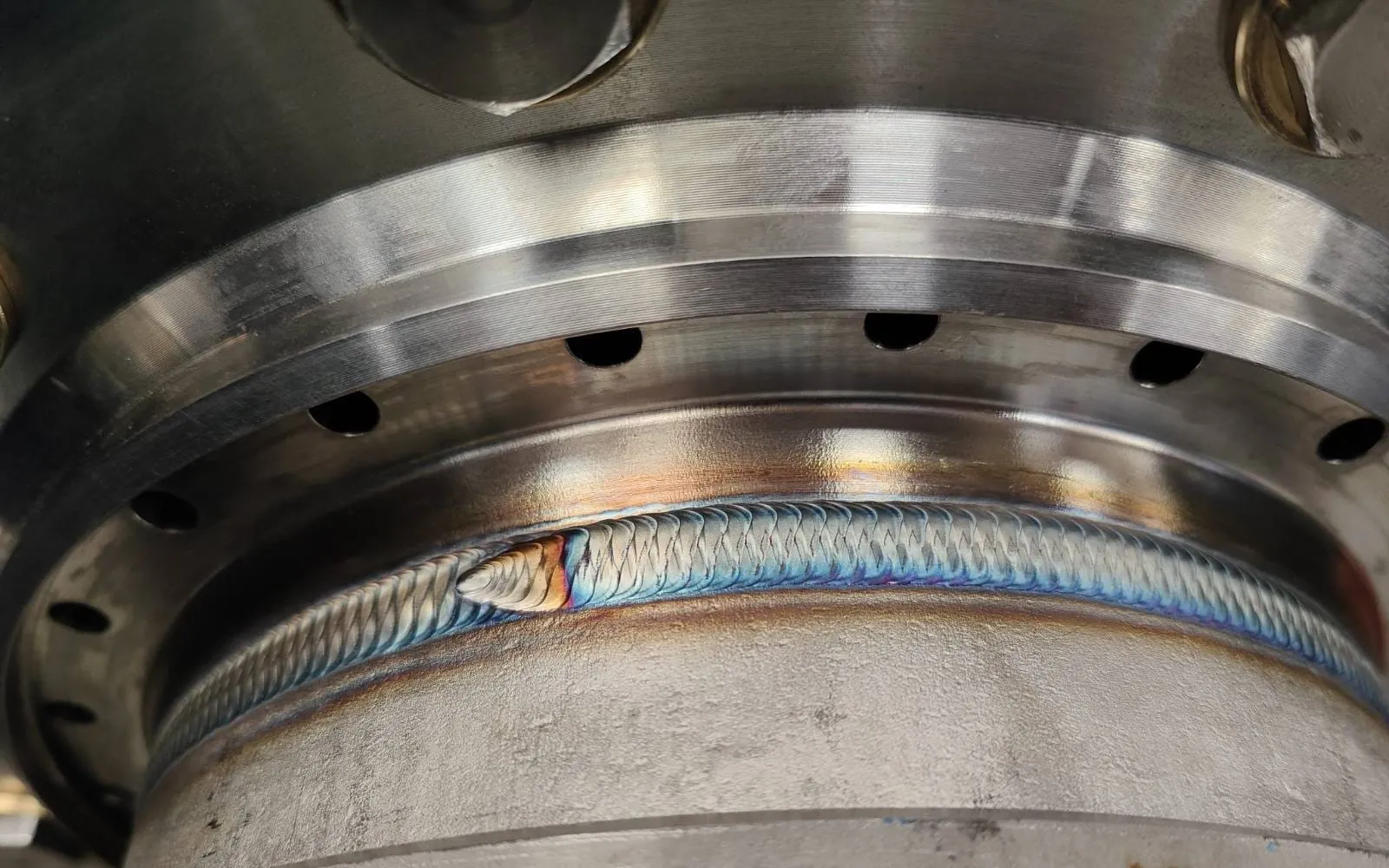
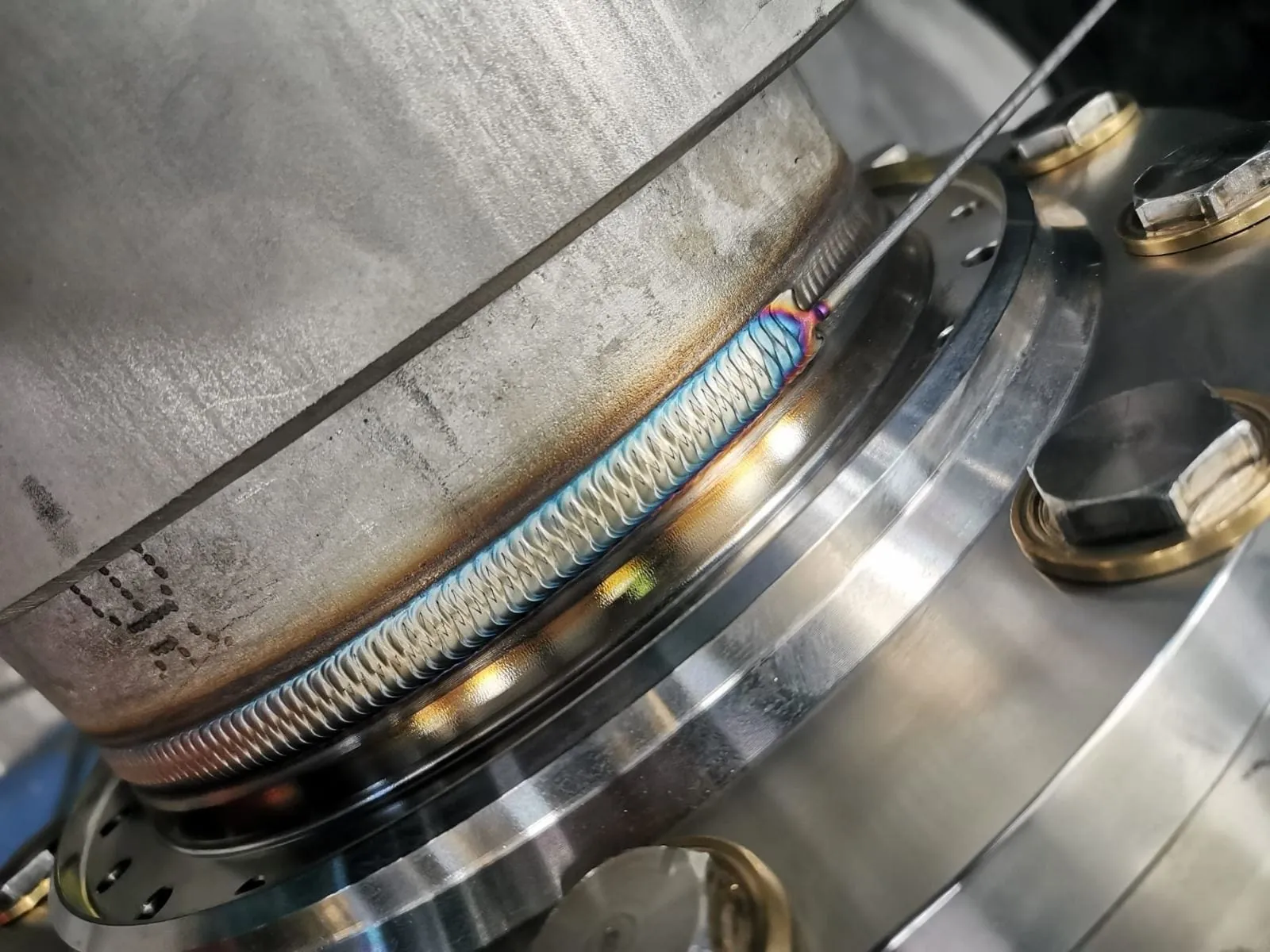
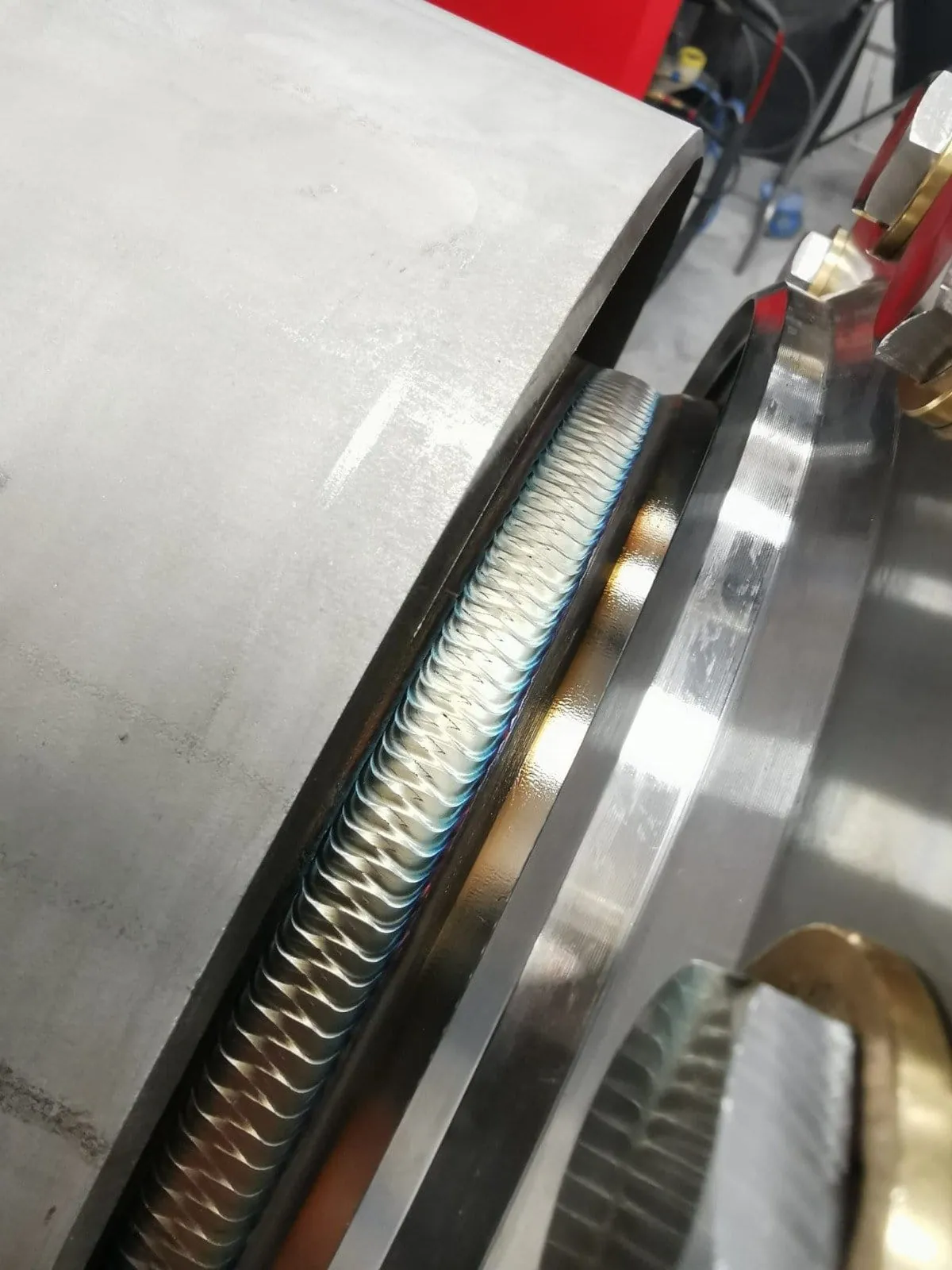
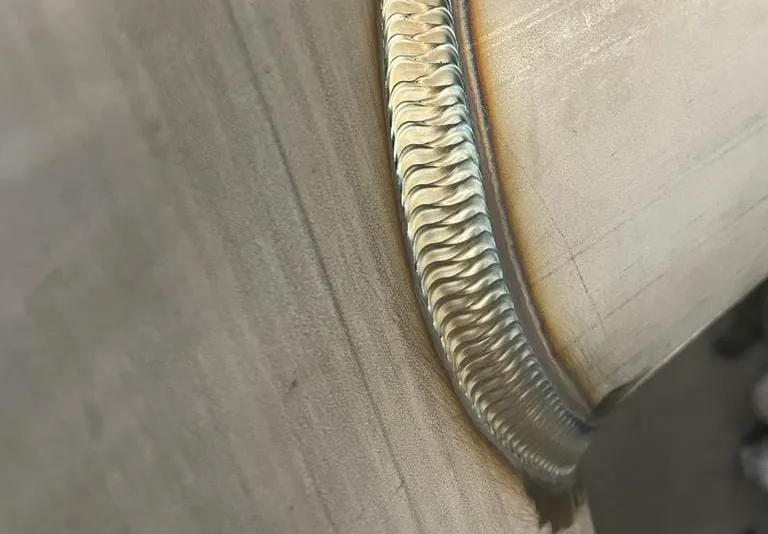
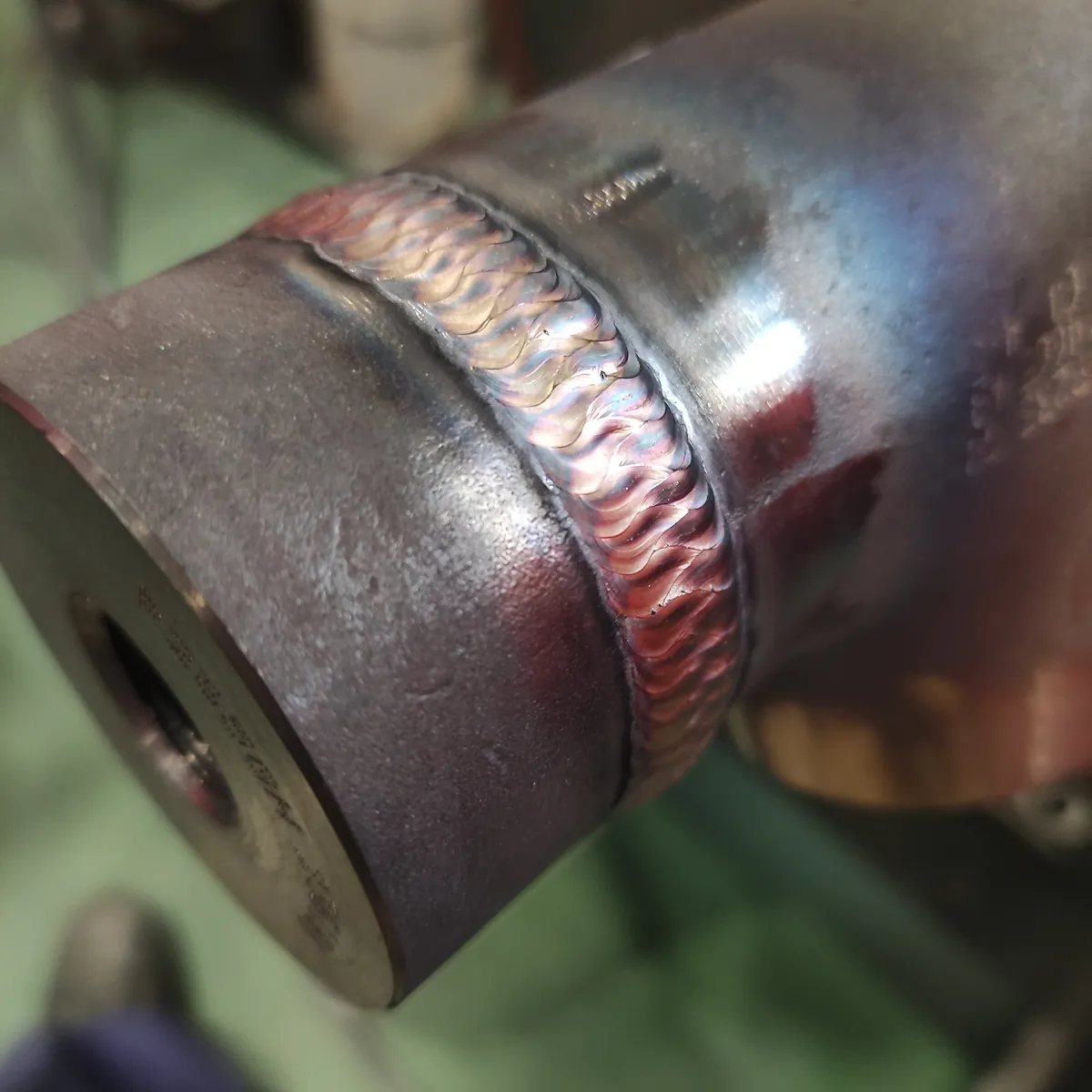
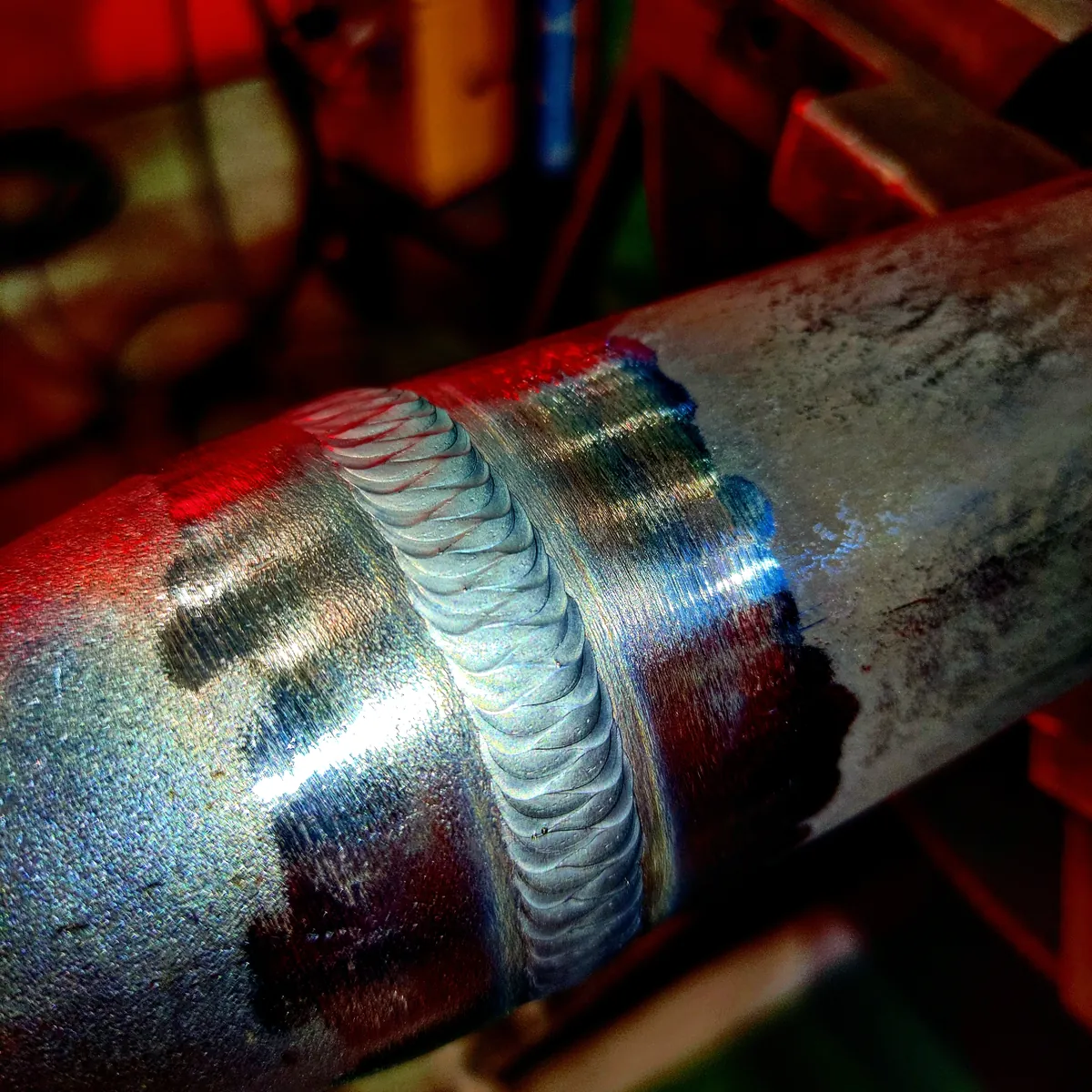
Examples of welded joints
The photographs show the appearance of the joint; they are not test reports.
Related services
The process follows the joint
One assembly often combines several processes and operations. The final scope is confirmed in the written quotation.
MIG/MAG welding
Carbon steel, brackets, frames and longer seams where productive fabrication matters.
MIG/MAG welding →MMA / stick welding (111)
Covered electrodes for steel structures, repairs, thicker sections and joints with difficult access.
MMA welding →Stainless steel welding
Root shielding, heat tint, segregated tools and a finish that suits the application.
Stainless steel welding →Next step
Send a drawing of the joint for technical assessment.
State the material grade, dimensions, quantity, inspection requirements and the required lead time.